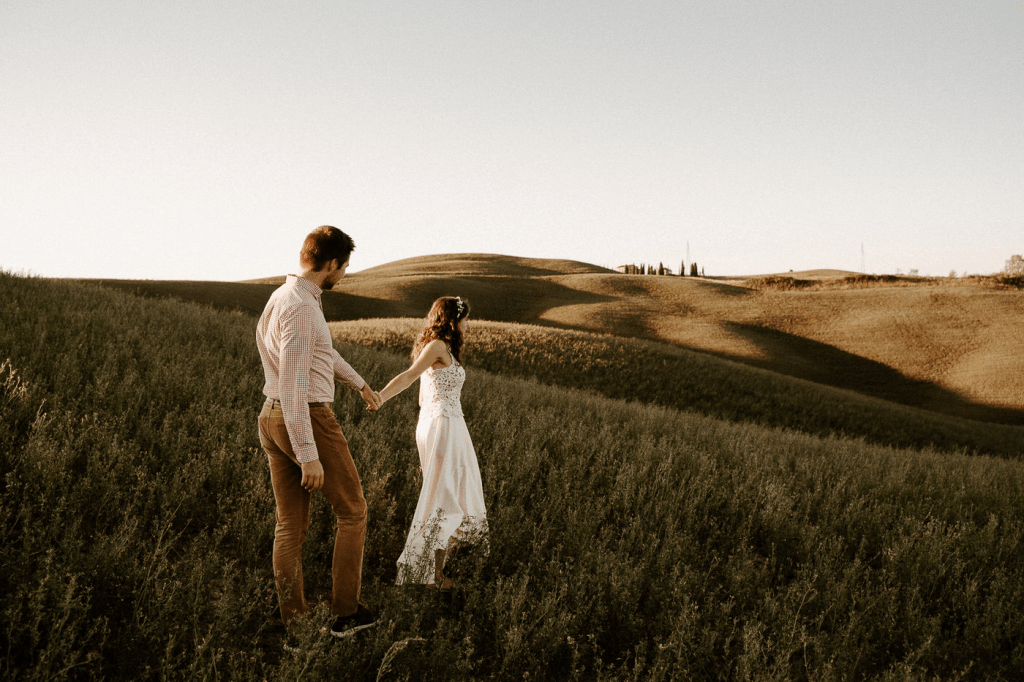
Mountain weddings offer a breathtaking blend of natural beauty, serenity, and adventure that creates unforgettable moments for couples Check this post and photographers alike. The dramatic peaks, sweeping vistas, and fresh air provide a stunning backdrop, but they also come with unique challenges—especially when it comes to lighting and composition. If you’re preparing to photograph a mountain wedding, mastering these aspects will ensure you capture the grandeur and intimacy of the day beautifully.
In this article, we’ll explore essential lighting and composition tips to help photographers make the most of mountain wedding photography.
Understanding the Unique Lighting Challenges in Mountains
- Variable Natural Light
Mountain environments can create highly variable lighting conditions. The sun’s angle changes rapidly due to elevation and the surrounding peaks casting shadows. Early mornings and late afternoons offer soft, warm “golden hour” light, but midday sun can be harsh and cause unflattering shadows.
Cloud cover can add drama by diffusing sunlight, but it may also cause inconsistent light exposure during the shoot. Being prepared for these shifts is critical.
- High Contrast Scenes
Mountain scenes often have high contrast—a bright sky and darker shaded areas from trees, rocks, or cliffs. This can be difficult to expose correctly without losing detail in highlights or shadows. Photographers must carefully balance exposure or use techniques like HDR (High Dynamic Range) to retain detail across the range.
- Reflective Surfaces
Snow, water, and rocky surfaces can reflect sunlight intensely, leading to overexposure or glare. Using polarizing filters can reduce reflections and help saturate colors, making the images richer and more balanced.
Lighting Tips for Mountain Wedding Photography
- Leverage the Golden Hour
Golden hour—the hour after sunrise and the hour before sunset—is magical in mountain settings. The light is softer, warmer, and creates long, flattering shadows that add depth and dimension to photos. Whenever possible, schedule key portraits or couple shots during this time for the best natural lighting.
- Use Natural Reflectors
In mountains, light often bounces off rocks, snow, or light-colored surfaces. Positioning your subjects near these natural reflectors can help illuminate their faces evenly without harsh shadows. Conversely, avoid placing subjects in deep shadows where details may get lost.
- Bring Portable Lighting
Even with stunning natural light, you may need portable lighting—such as a reflector, portable flash, or LED panels—to fill in shadows or highlight facial features, especially during indoor receptions or shaded areas. Reflectors are lightweight and easy to carry on rugged terrain, making them invaluable in mountain shoots.
- Watch for Changing Weather
Mountain weather can change rapidly. Clouds can soften the sunlight or create moody backdrops, while sudden rain or fog may limit visibility. Stay flexible and embrace weather changes creatively—fog can add mystery, and soft rain can bring out lush colors.
Composition Tips for Stunning Mountain Wedding Photos
- Incorporate the Landscape
One of the greatest advantages of mountain weddings is the breathtaking scenery. Use wide-angle lenses to capture the couple within the vast landscape, emphasizing scale and grandeur. Placing the couple off-center with sweeping mountains or valleys in the background adds storytelling power.
- Use Leading Lines
Look for natural lines that guide the viewer’s eye toward the couple or key subjects. Trails, fences, ridgelines, or tree rows can act as leading lines that add depth and focus to your images.
- Frame with Natural Elements
Use trees, archways, rock formations, or overhanging branches as frames around your subjects. Framing creates a natural vignette effect that draws attention to the couple and adds layers of visual interest.
- Play with Perspectives and Angles
Experiment with shooting from different heights and distances. Capture low-angle shots with the sky and mountains towering above the couple to emphasize majesty and scale. Conversely, aerial shots using drones offer breathtaking bird’s-eye views that showcase the entire wedding venue and surrounding nature.
- Capture Intimate Moments Amidst the Vastness
While wide shots highlight the location’s grandeur, don’t forget close-ups and candid moments. Intimate photos of the couple holding hands, exchanging vows, or sharing quiet smiles create emotional connections and balance the epic landscapes with personal storytelling.
- Mind the Horizon Line
When shooting landscapes, keeping the horizon level is essential for professional-looking photos. Decide whether to place the horizon low to emphasize the sky or high to emphasize the land, depending on the scene and mood you want to create.
Practical Tips for Shooting in Mountain Locations
- Prepare for Physical Challenges
Mountain venues often require hiking or climbing to reach prime spots. Pack lightweight but essential gear, comfortable shoes, and weather-appropriate clothing. Carry extra batteries and memory cards as cold weather can drain battery life faster.
- Scout Locations in Advance
If possible, visit the venue before the wedding day to find the best photo spots and understand lighting throughout the day. This allows you to plan timing and angles to optimize your shots.
- Respect the Environment
Mountain ecosystems are delicate. Stay on trails, avoid disturbing wildlife, and leave no trace. Communicate with the couple about environmentally responsible photography practices.
Conclusion
Mountain weddings provide a spectacular and inspiring setting for photographers, combining natural beauty with heartfelt celebrations. By mastering lighting challenges and using creative composition techniques, photographers can capture images that are both breathtaking and deeply personal.
From the glowing hues of golden hour to the dramatic vistas framed by towering peaks, mountain wedding photography offers endless opportunities to tell unforgettable stories. With careful preparation, adaptability, and artistic vision, you can deliver photos that the couple will cherish forever, preserving not just their love, but the majestic landscape that witnessed it.
 Site Title